
It’s Your First Race! Intro to Racing Part II
March 10th, 2026 by team
by B.J. Porter (Contributing Editor)
So maybe our introduction to racing post got you excited enough to find a boat to race on for the season? Congratulations, you’ve made a start.
But what happens next? As your first for-real race approaches, what should you expect? What should you bring, wear, and know how to do?
There’s a lot to look forward to, but if you want to make a good impression, be safe, and have fun, there are a few things you should know about. Fortunately, we can help you with that.
If you’re lucky, the team you joined has worked in a few practice days, and you may feel more clued in. But many boats willing to take on beginners are not so organized about getting multiple practice days in before the spring or summer series. Sometimes the spring series IS the practice for the summer events!
What to Expect
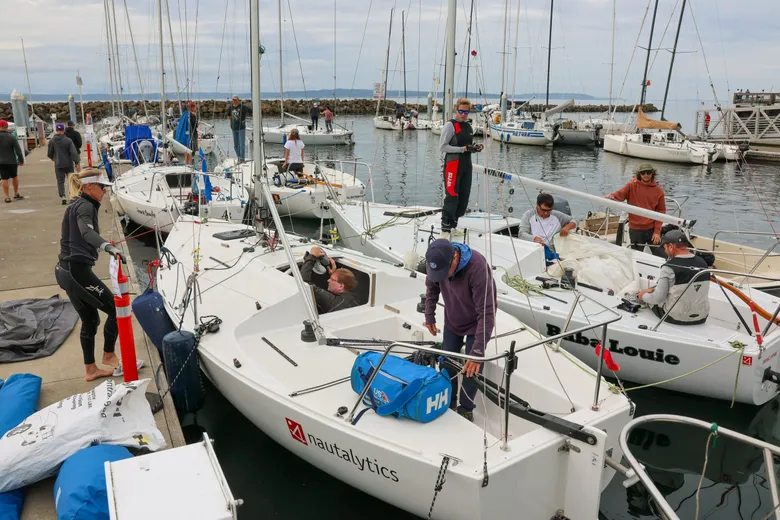
Race day is always a flurry of activity as the crew gets the boat ready, gets gear loaded, sails sorted, and things organized, and it all happens at once and feels like a scramble. Part of that is because most racers are doing this just for fun, and have day jobs and other commitments to work around to make the time to race. So they leave work early on race nights, but often cut it close to make it to the start on time as people get caught in traffic or at the office. This is especially true of the strictly amateur programs that you, the newbie racer, are likely to end up sailing with.
The owner or tactician (or whoever is organizing things) will typically give you a dock call time. Do not be late. Races start at a fixed time, and boats that don’t make it to the start before the guns and horns go off rarely have a fun race.
In fact, it’s best to be a bit early.
There’s always a lot to do before a race, and people have different ideas on how much it takes and how prepared they want to be. And there’s no guarantee that anything will go according to plan. Gear breaks, things go missing, and sometimes odd things happen. Once, we almost missed a start because we had to do a major deck scrubbing after a bunch of cormorants spent the night sitting in the rigging and messing up the entire deck with half an inch of bird droppings and dead eels overnight. (Yech! I’d been there the day before and the boat was clean!)
But if you’re there a bit early, you can help. You don’t need a lot of skill to do some of the pre-race prep, and everyone will appreciate the effort as you carry, fold, and stow what needs to be handled.
Late sailors will be left behind. Unless their absence means there aren’t enough people to sail the boat, and the entire team will have to skip the race. Neither outcome is likely to get you an invitation back, and you will not enjoy the looks you get from the crew waiting for you when you come flying down the dock, too late to go out.
What to Wear
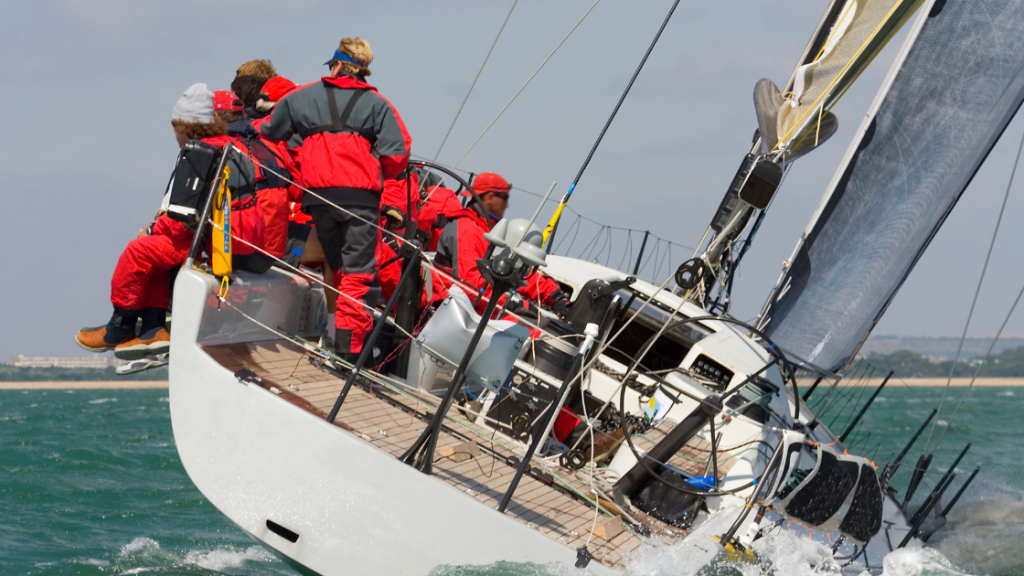
Always check the weather. It will be cooler and wetter on the water than you expect, especially if it’s the beginning of the season in the spring. Make sure you’ve got the basics covered for the conditions.
You don’t need a lot of specialized racing clothes for a casual weeknight race. But there are a few things you should consider.
- Non-marking shoes with a good non-slip tread. You don’t want to be “that guy” that leaves a huge patch of black marks all over the white deck because you wore street shoes or sneakers with black soles. Look for something with a white or neutral sole. If you want to buy “boating shoes,” avoid the traditional moccasin-style boat shoe. While stylish and fine for casual sailing or after-race parties, they aren’t ideal for scrambling around a wet, tilted deck. Look at sneaker-style sailing shoes with tight lacing.
- Water-resistant windbreaker or light jacket. Even on warm days, it can be cool on the water. A jacket is better than nothing if rain is expected, and you might still get spray even if it’s not raining. But good waterproof sailing gear is expensive, and you may not want that until you know you love this.
- Polarized sunglasses. With a strap to keep them on you. Sunny skies mean a lot of glare. Polarized glasses help sailors see the water and wind better, and you don’t want to be staggering around the boat squinting and tripping on things. Even if no one is expecting you to see wind shifts and puffs, if you’ve got decent sunglasses, you can learn how to do it.
- A hat. Also, with a tether or lanyard so it doesn’t blow off. Keeping the sun out of your eyes always helps.
- Quick drying clothing with sun protection. Cotton is your enemy, since it stays wet and doesn’t keep you warm. You will be miserable if you take a wave or big spray in jeans and a cotton t-shirt. Quick dry synthetic fabrics that wick away sweat and give you sun protection are the way.
Other optional clothing:
- Sailing gloves. If you’re a newbie, you may not get to handle too many lines right away. But if you get a chance to haul on something or ease it out, an inexpensive pair of 3/4 length sailing gloves can help you get a better grip or protect your hands from rope burns.
- Rain gear. Since you checked the weather, you know whether it might rain. Racing rarely stops for rain, only for dangerous weather like high winds and lightning. While you don’t need to invest in high-end gear early in your racing career, some inexpensive pants and a jacket can make the difference between fun and misery in bad weather.
What to Bring
Besides your clothing, you may want a few things with you. Your captain will not be happy if you show up with a giant duffel full of heavy gear or a massive cooler. Weight is important to boat speed, and too much gear down below makes it awkward to move through the cabin to do things like change sails. So think about what to bring, and keep it light. If you have questions, bring it along and ask early, so you have enough time to drop the excess gear in your car.
The important thing is to ask the captain well before the race if you can bring anything. For weekend events, some crews share duties like lunches for the crew, or you may need to bring your own. Weeknight racing rarely involves a meal, but there may be drinks and snacks you can contribute.
- Food and water. Unless you’re asked to bring food or are told that food and drinks will be provided, make sure you can stay hydrated and keep your energy up. Racing is physically demanding, and an energy bar and a bottle of water can keep you in peak form.
- Drinks and food to share if that’s part of the team culture. See the notes on alcohol below.
- A waterproof watch, if you have one. Learn to pay attention to the start sequence and timing.
- Sunscreen. You will get a lot of sun reflected off the water. You can get some color even on a late afternoon race.
- Extra clothes. These you can probably leave in the car, but if you get soaked on the water you may want something dry to wear. Especially if the crew is meeting up for drinks or food after the race!
Racing and Alcohol
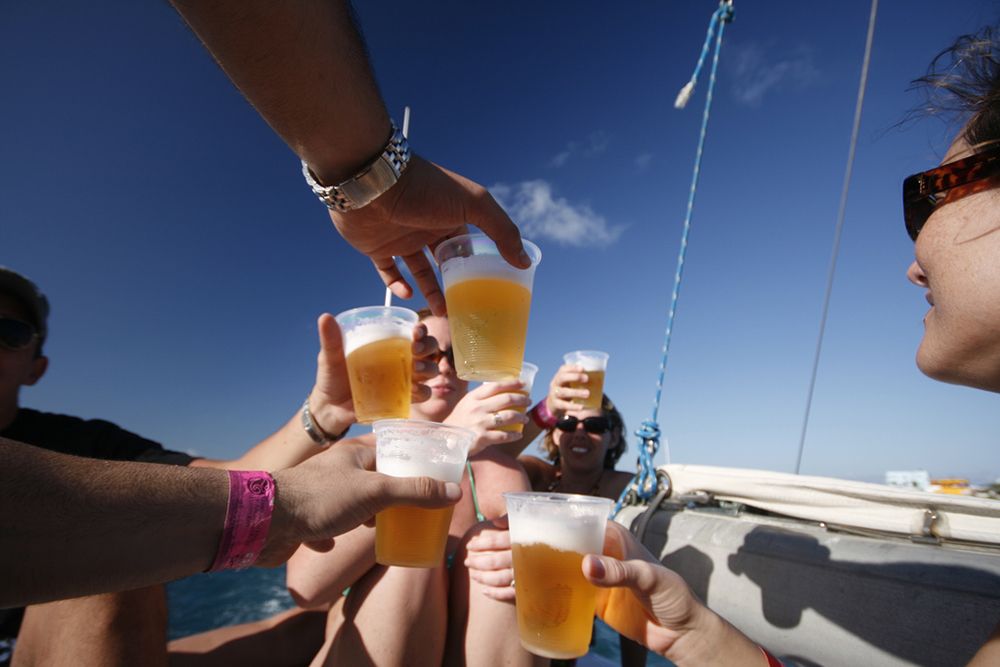
Sailors call those weeknight series “beer can races” for a reason, and sailing and drinking are inextricably linked in the minds of many people. Different boats have different approaches to alcohol during and after races. For example, on my boat, we never touched the beer until after our last race of the day finished. Then we had enough on board so everyone could have a cold beer or two on the ride back while we re-hashed the racing and tidied up the boat.
Some boats are absolutely dry; others have beers in hand while they’re sailing through the start and drink through the entire race. This is something you can ask about in advance, and you will learn about if you get some practice days in.
It can be a sensitive issue, because many boats bring enough to share, with everyone contributing to the cooler. And everyone has different views and experiences on alcohol on board, and these views can be a deal-breaker for some owners and crews.
What to do (and not to do)
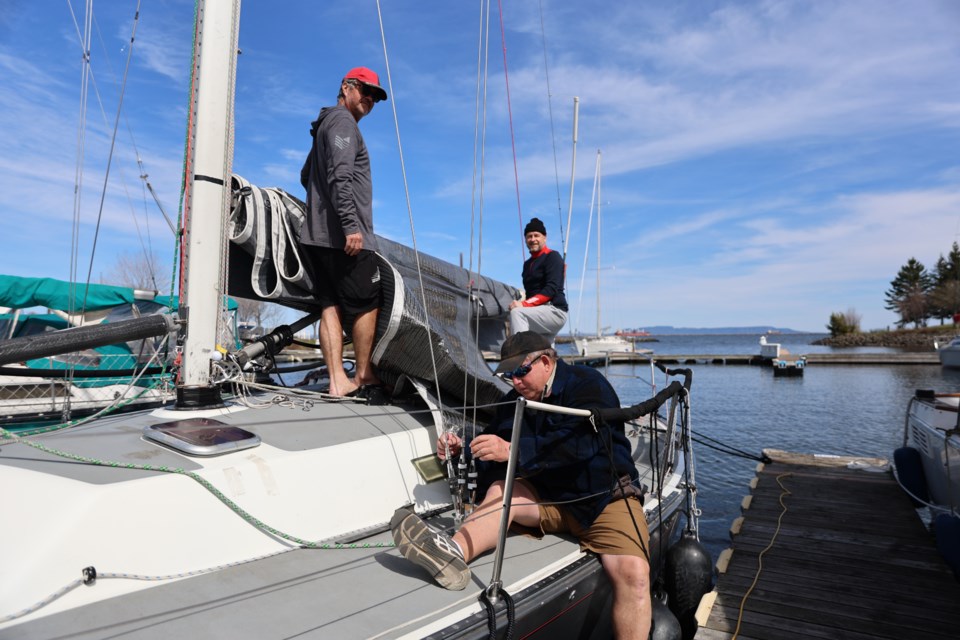
There are a few things you can do on your first race that will help you learn more, have fun, and make you more valuable as a crew member. And a few things that may irritate your crew members and cost you an invitation back to another race!
- Be on time. This can not be stressed enough, so we’re repeating it.
- Pitch in and help out. Don’t wait to be asked; there’s plenty for everyone to do so offer early and often.
- Pay attention and stay focused. There’s a lot going on, and you are there to learn. And you don’t want to make mistakes or get in the way. So don’t daydream or get distracted.
- Prepare for the day. Check the weather; look for detailed wind predictions with apps and sites like Windfinder, PredictWind or Windy. Find the sailing instructions and read them, even if they make little sense at this point. Try to learn about how the races will run, so you know what to expect and are ready!
- Turn off your phone when the boat leaves the dock. Put it down below deck and leave it there. We used to joke that any phone that rang after the start sequence began was going overboard; fortunately, we never had to test that! There’s no room or time to take phone calls or send texts in the middle of the race.
- Pay close attention to instructions, and listen to the experienced people you sail with.
And a few things to avoid:
- Don’t be distracting. A quiet boat is a well-run boat, and the people making the race decisions will want to talk about the race. They shouldn’t have to talk over you discussing your plans for the weekend or a problem with your plumbing at home. Try to keep your thoughts and discussion on the race, and keep your voice down.
- Don’t do things you don’t understand without asking. Taking a line off a winch or cleating something that should run free can cause problems you may not expect.
- Don’t yell. The captain and crew shouldn’t be yelling either; the boats you can hear screaming across the water aren’t usually the boats winning races.
- Drinking to excess. Especially during a race. The answer to “What do you do with a drunken sailor? ” is usually “don’t invite them back” if it causes problems during or after a race.
The most important thing to do?

After being safe, of course?
The most important thing while you’re racing safely is to have fun. That’s why you’re out there, and it’s why the owner invited you to come out and why they spend the time and money to race their boat. There are a lot of cheaper ways to not have fun than racing sailboats…
But learning to race and racing well can be an amazing amount of fun, so get out there and enjoy making new friends and learning new skills!

Leave a Reply