
Spring Boat Prep: The Safety Checks That Actually Matter
April 10th, 2026 by team
by B.J. Porter (Contributing Editor)
Welcome to a new boating season! Those of you in seasonal boating country, about now you will be getting all your ducks in a row for your boats to get back in the water, and that’s great. We all can hardly wait to get out on the water again.
Rather than giving you another “Spring commissioning guide” like you can find on a hundred other sites this time of year, we thought we’d zero in a little and focus on safety. When everyone is rushing to get their engines commissioned, boats launched, and the weird winter smells aired out of the boat, it’s easy to overlook some critical checks you should make every spring.
And throughout the year, while we’re at it, but at a minimum, you should be on top of all this safety stuff before you leave the dock. When the boat is on the hard, it is the easiest time to look above and below the waterline as needed and make any fixes for problems you find.
Basic Safety Equipment

There’s a Coast Guard minimum list for your boat, spelled out by size. And before you hit the water, make sure your boat is up to speed on all of it. Boat/US has a pretty accurate summary of the USCG requirements by boat size, so take another look over it.
And when you’re checking for the quantity of gear, also make sure you check the quality and condition.
- Check flare expiration dates and replace and properly dispose of all expired signals. Make note of any expiring during the season so you can replace them soon.
- Test your sound-producing devices. If it’s an air horn, make sure the can is full, and the mechanism and can isn’t rusted.
- Inspect all your PFDs for signs of wear, mildew, and other potential problems. PFDs are easy to forget in a damp locker all winter, and mildewed gear should be replaced.
- Make sure your fire extinguishers are full and unexpired if they have dates. The dial on them should read “Good.”
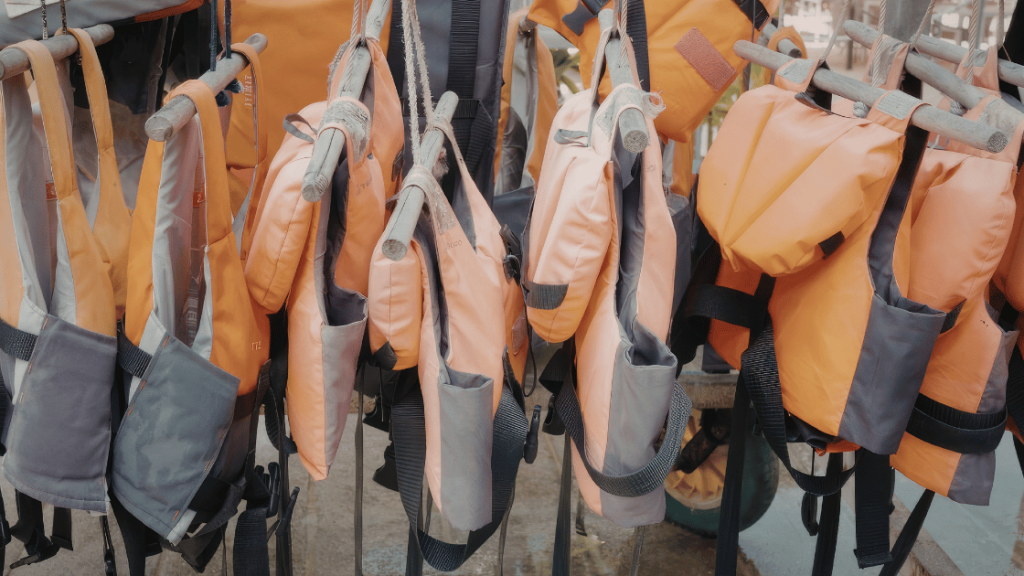
Remember, the USCG lists the minimum required safety gear. All your safety gear should get checked.
- Test EPIRBS as per the manufacturer’s instructions. You should do this monthly, and it is easy to forget, so at least start with a test!
- All radios, handheld and permanently mounted, should be tested. Corrosion can get into antenna connections, and if your mast came down over the winter, checking the radio when it’s back up is critical.
Battery Powered Devices
Ensure you removed old batteries from battery compartments before the off-season. Old batteries can leak and will corrode and damage equipment, and the time to find this is before you need the gear.
Hopefully, you pulled the batteries out of everything and stored them at home, somewhere warm and dry. Even if you did, it’s a good plan to start the season with fresh batteries and new spare batteries on the boat.
Do not forget to turn on and check:
- Flashlights and spotlights
- Handheld GPS units
- Electric sound-producing and signaling devices
- Any other things on board that make take removable or rechargeable batteries.
Steering System
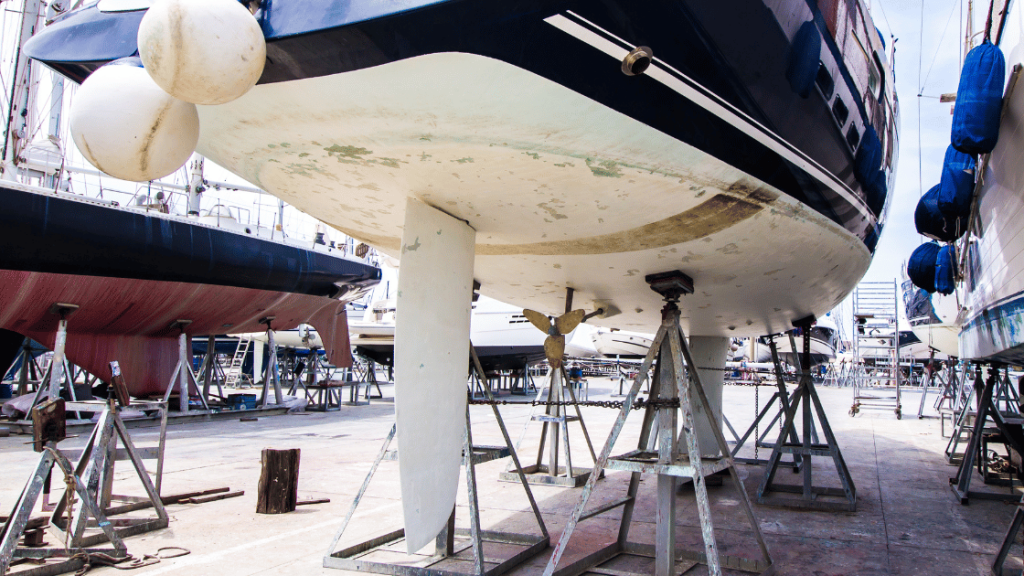
When the boat is out of the water, it’s an excellent time to check every part of your steering system. Turn your wheel or tiller through its full range, and move all the parts that normally move in regular operation (throttles, shifters, etc.).
On wheel-steering boats, make sure you check the entire steering linkage, from the rudder/engine all the way to the wheel. Look for corrosion that developed while the boat was stored, or any leaks or visible signs showing a problem.
Hopefully, your spring commissioning plan includes lubricating everything here, but at a minimum you should move everything and test for any loose movement, extra play, or stiffness.
Bilge Pumps
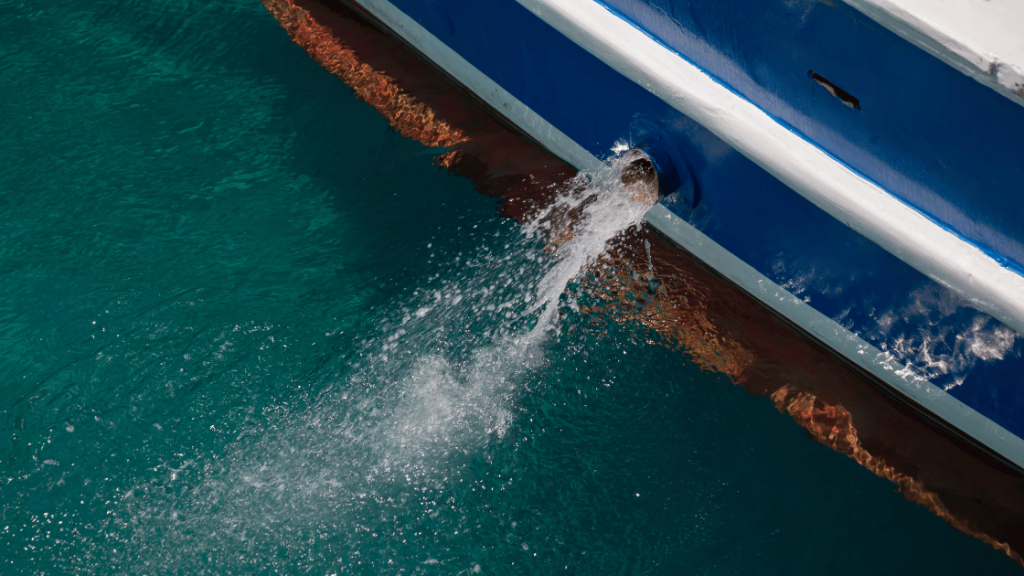
Bilge pumps, hidden in the deepest bowels of the boat, risk freezing damage if you don’t properly winterize that area. So hopefully you did…check the pumps anyway. Also make sure float switches move freely and turn the pumps on with lifted.
The time to find out your bilge pumps are not working is NOT when you need them, so get this done before you splash for sure.
Don’t forget to test your manual bilge pump, too!
Through-hulls and seacocks
Exercising seacocks should be a routine maintenance task throughout the season, but many boaters forget about them. Out of sight, out of mind.
But in the spring they definitely haven’t moved since the boat was decommissioned. So open and close them all, to make sure they move and nothing cracked, split, or slipped over the winter. Make sure all the handles are solid as well, and there’s been no seepage or corrosion around them.
Also check any strainer baskets for wear or breakage; metal ones can rust or corrode out, and plastic can break. Finally, it’s also a good time to make sure your emergency soft wooden plugs are in place near each through-hull.
Plumbing and Hoses
Some plumbing isn’t really a safety issue, but hoses connected to through-hulls can sink your boat if they split or fail. Inspect as many of your hoses as you can, making sure nothing has crumbled or slipped in the offseason, and all the hose clamps are in place and solid. Hoses you can’t see the full length of, at least try to run your hands over them as much as you can, feeling for wear or holes.
When you flush the antifreeze out of your fresh water system, look for leaks and drips in the lines and at all connection points. While not a safety issue per se, it will save you headaches if you find leaks before you head out on a trip.
Review Safety Procedures
We can not stress enough how important it is to have a plan for emergencies, and how you will handle them. Commercial passenger boats have formal plans laid out, with details about what steps to take, who has responsibilities, and lists of important phone numbers, radio frequencies, and other information.
It wouldn’t hurt you to refresh your plan for the year (if you have one…make one if you don’t!), and take some time to review it with your regular crew.
Of course, getting out there and practicing some of those safety drills is also important, but we still haven’t launched the boat yet, have we!

Leave a Reply