
The Complete Guide to Safe Boating at Summer Events
July 1st, 2026 by team
by B.J. Porter (Contributing Editor)
Every summer there are a lot of great things you can enjoy from your boat. Fireworks displays, concerts, major sailing events, air shows, on-water rallies and parties, and other on the water spectacles make for a really fun summer day. Unless something goes wrong. And that can be anything from a wicked sunburn or minor injury to a serious accident on the water, any of which can cast a pall over the fun.
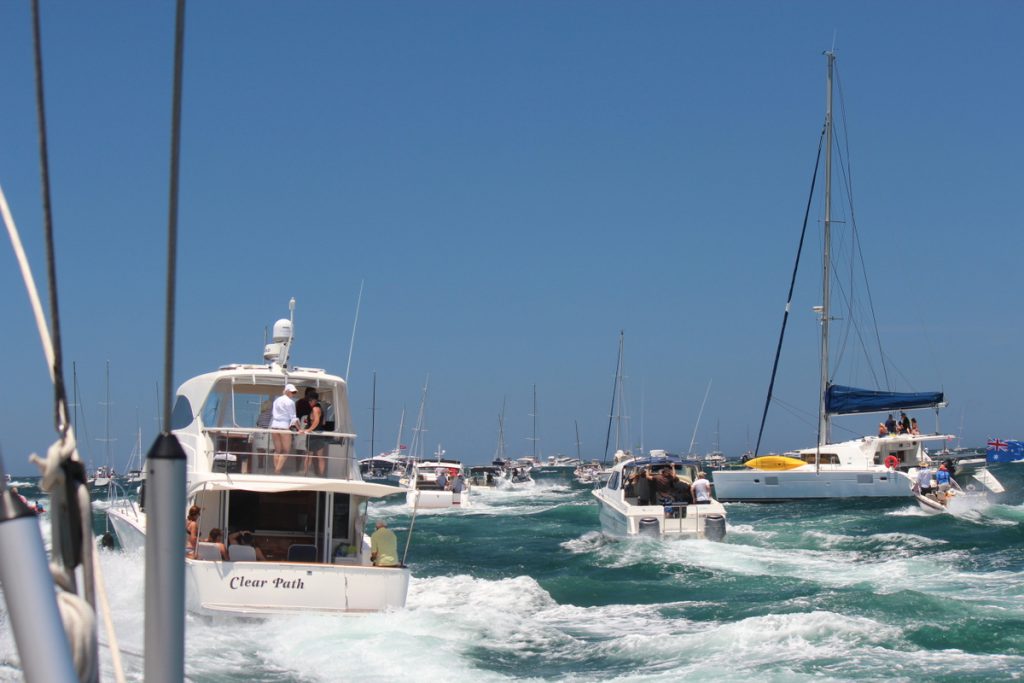
The downside to these events is the crowd, of course. You may have hundreds or even thousands of boats around you. For some events, they’re anchored out, which is usually good (see below!). For others, the boats may move around and mill about for much of the event, adding to the confusion and risk of an accident. You know your skill level, but you do not know the skill levels of everyone around you.
But with some planning and a little forethought, you can make the most of your day, have the best experience, and keep your family and guests safe through a truly memorable event.
Basic Tips for All Events
Planning is key, and a last-minute scramble means you’re likely to overlook things and miss a key step. Take your time, get organized, and do it right. Even if going to an event is a last-minute decision, even a little planning makes a difference.
Check the guidelines for the event
Most large organized events, especially fireworks, air shows, concerts, and boat races, publish instructions for spectators (see an example). This information usually includes:
- Designated anchoring zones
- Prohibited or safety zones where you should not anchor and/or travel
- Traffic schemes
- Working VHF channels
- Any marks, flags or signals used by the event
- Schedule of events
Whatever the event, find the website of the organizing body and look for on-the-water documents for spectators. Save or print a copy to bring with you.
What to bring
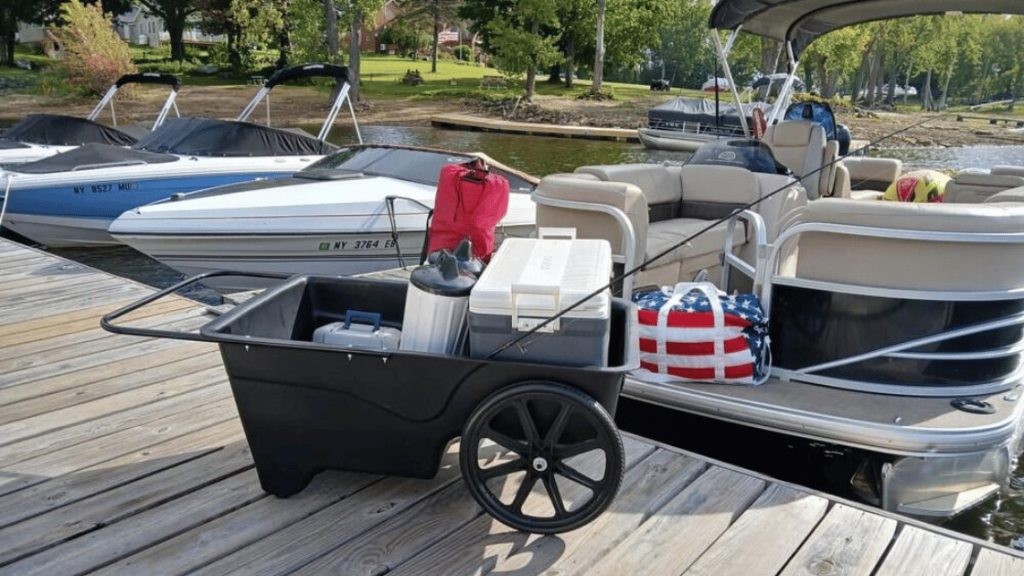
A long day or evening on the water takes more than a few cold drinks. Make sure you’ve got enough of the right gear on board for everyone’s comfort across the range of conditions you might meet.
- Hydration. Make sure there’s plenty of water for everyone on board, then bring a little more. Hours in the sun should have everyone drinking a lot of water.
- Food and snacks. It’s easy to forget that planning to watch a 30-minute fireworks display really involves hours on the boat getting there, anchoring, and waiting. So make sure there’s plenty to eat, especially if people will be drinking alcohol.
- Sunscreen and protective clothing. Most boat trips, even to an evening event, will involve some time in the sun. Sun shading isn’t a bad plan if you can figure out how to cover your cockpit.
- Clothes for a range of conditions. Just because it’s sunny at noon doesn’t mean it will be warm on the way home, so make sure everyone has more than a swimsuit and a light coverup.
- First-aid gear, including sunburn spray. Make sure your onboard kit is up to date, and throw in a can of something for the sun just in case someone overdoes it with the sunshine.
This is hardly an exhaustive list; only you know what your family and guests will want or need. Depending on the event, you may want water toys and things for other activities and diversions, so think it through and pack early.
Boat preparation
- Fuel the boat. Even if you aren’t going far, it’s better to be safe than sorry, so make sure you have plenty of fuel. If you plan to use any dinghies or small craft, top them up too.
- Top up the water. Even if you only use your boat’s water for washing, having a good reserve will help you stay on top of messes and give you a way to wet things for cooling, and get the salt off people who go in the water.
- Empty your holding tanks. It can be a long day out there…
- Check your ground tackle. If you don’t anchor regularly, make sure your gear is in order and you know how to use it. Watch out for knotted-up anchor rodes or other things that can turn a simple anchor set into a sudden fire drill.
- Double-check your running lights and anchor light, especially if it’s an event that will run past sunset. You do not want to be running dark out there in a crowd.
- Make sure you’ve got a working horn or air horn. You never know when you might need to get someone’s attention.
On the event day
It’s good to have a plan for the day, so get your navigation planned out so you know how much time you need to get there, and add in some extra. If you’re planning to anchor at the event, look at some charts to figure out where is best, so you’re not wandering around a wide area looking for a spot. This is especially important if you’re meeting people; big events like air shows can have boats spread out over a few miles!
Arrive early
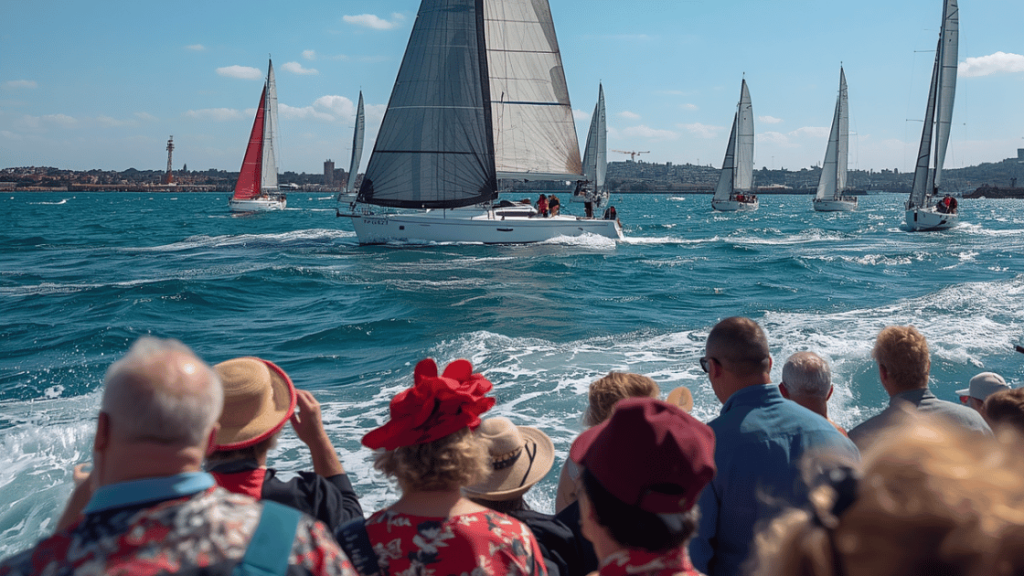
We cannot emphasize enough how much easier your event will be if you are one of the first to select an anchoring spot. Guaranteed those boats milling around while the event is already underway, trying to squeeze between boats that have already established their swing area, are not having fun.
For our local airshow, we had the boat ready the day before and got our guests to the dock early. Then we got to the show well before the first plane left the ground, so we had our pick of places to anchor. While we weren’t the first ones there, we had plenty of choices and it was easy. Once you’ve established your anchor space, others have to come in around you, and you’ve given yourself some breathing room.
It doesn’t always stop people from anchoring too close or doing unsafe things around you. But once you’re anchored, you can tend to your boat and worry less.
Anchor carefully
You’re there early; you’ve got time for a good anchor set. Make sure you set with plenty of scope and back down hard. You’re not there for the night, and you will be on the boat if the wind changes. So you can make adjustments and watch for it if that boat anchor too close to you will become a problem.
Make sure you’re not that guy, paying no attention and blithely dragging his boat through the crowd picking up other anchors and banging into boats.
Leave late
This is big. At literally every on-the-water event I’ve taken a boat to or attended, the first thirty to sixty minutes after the event ends is complete mayhem. When the last jet lands or the firework finale finishes, everyone blows their horns and yells for a couple of minutes. Then they start their engines, pull their anchors, and head for home.
Which turns the surrounding area into a complete washing machine of boat wakes and bad decisions, as everyone races off in different directions at once. It’s even more fun in the dark.
So kick back, relax for a bit until things calm down, then take your time weighing anchor and heading for home. That might be a good time to break out an after-event dessert or treat while you watch the boats follies and feel happy you’re not scrambling with them. You definitely won’t miss traveling home the frenzy of wakes from bigger, faster boats, or the dodgem game you’ll have to play with the smaller ones.
Swimming off the boat
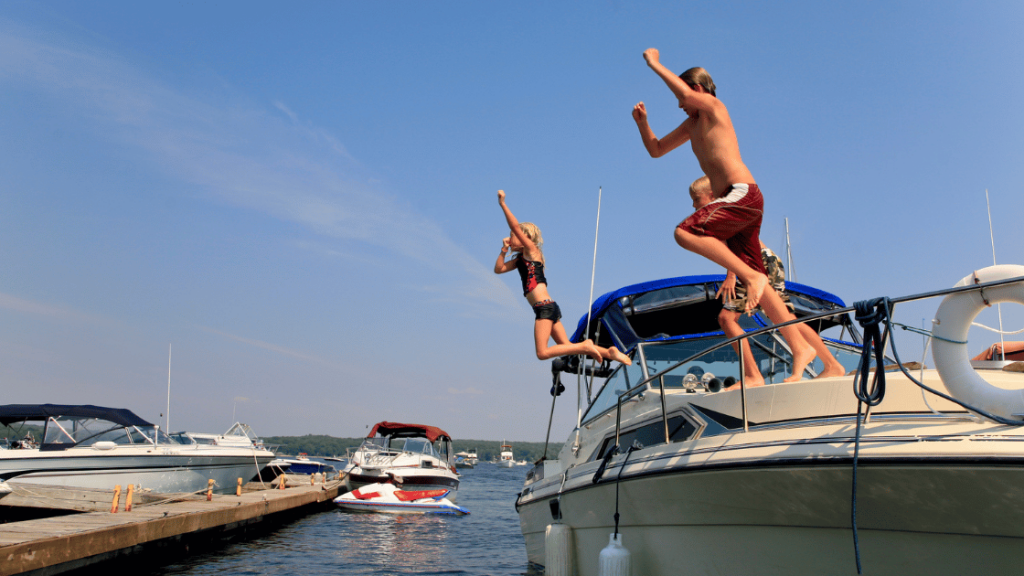
Be careful, because at a crowded event some people always drive much too fast and much too close to other boats. It is fun to swim off the boat at an all-day event. But you really need to keep an eye out, and if no one else is in the water, there’s probably a reason, like currents or other risks, like the crowded conditions.
Make sure you “mark your territory” behind the boat to let other boats know you’ve got people back there. Some floating pool toys on long, floating tether lines at each corner of the stern can keep boats clear. We often used a pair of floating ropes with visible floats, but that may not be visible enough for some boaters in a crowded field. So get a fun pool floaty for each line and tie it to the end – it’s both festive and safe.
And make sure your swimmers know to stay near the safety lines and to avoid swimming between boats.
Other tips
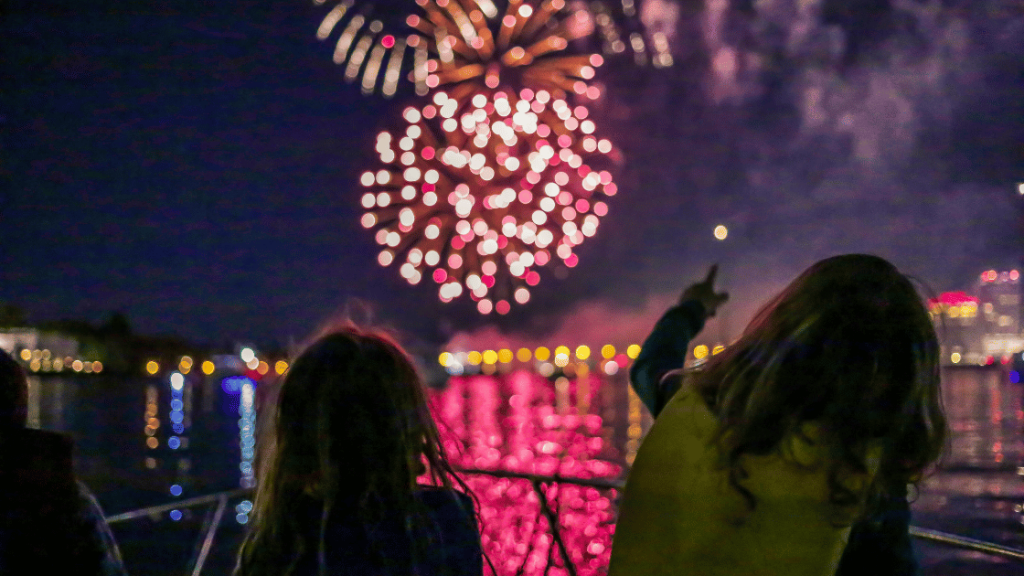
- For evening events, light your boat early. While you don’t want to be lit up like a cruise ship during a fireworks display, the sooner you get an anchor light and some extra lighting on, the better. A few solar lights tucked into rod holders or zip-tied to a stanchion can make you much more visible. If you’re in a sailboat, someone zipping around the anchorage won’t see that anchor light, but they will see something on your boom or bow.
- Keep your fenders handy. So many people drag anchor or anchor too close at these events that you really want to keep a couple of fenders out and accessible on deck.
- Leave the fireworks at home! It should be obvious, but I’ve seen people launch them off of boats and it’s a terrible idea.
- Have a designated skipper for the drive home. It’s tempting when it’s a long day on the water, but a couple of beers in the heat and sun can catch up with you if you don’t give yourself a few hours to keep a clear head. Driving a boat impaired is illegal and dangerous, and you will need your wits about you in the crowd of boats, especially at night.

Leave a Reply